
Ranger Vivian Bisset on Conservation, Curiosity, and Resilience
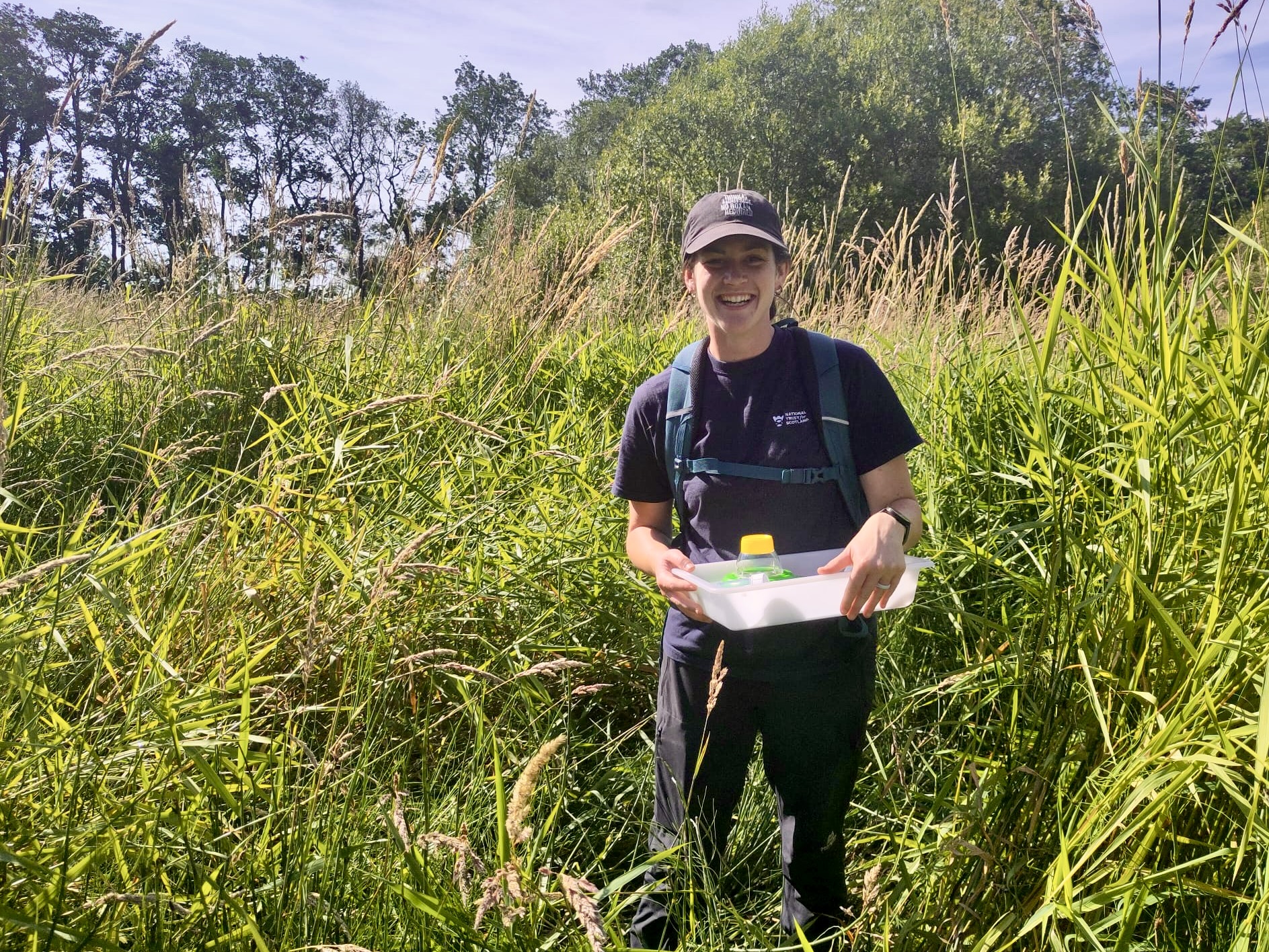
When Pennsylvania native Vivian Bisset first came to Scotland in 2018 to complete her master’s degree, she didn’t yet imagine she’d one day spend her days roaming its forests, castles, and coastlines. But a research placement at Mar Lodge Estate—one of the National Trust for Scotland’s most ecologically significant sites—set her on a path that would change everything.
“I fell in love with Mar Lodge itself,” she recalls. “But also with the work the Trust was doing. It was always on my radar after that.”
Today, Vivian works as a Ranger with the Northeast Ranger Service, a team responsible for protecting ten Trust properties and estates stretching from Carnoustie to Huntly. Her days are varied and unpredictable: one morning might involve surveying protected species or inspecting trails and structures for visitor safety, while the next could mean leading a volunteer group or supporting conservation projects.
“It’s a very varied job,” she says. “Every day looks different, and it changes depending on which property we’re at.”
A Love of Bats and the Built Heritage They Inhabit
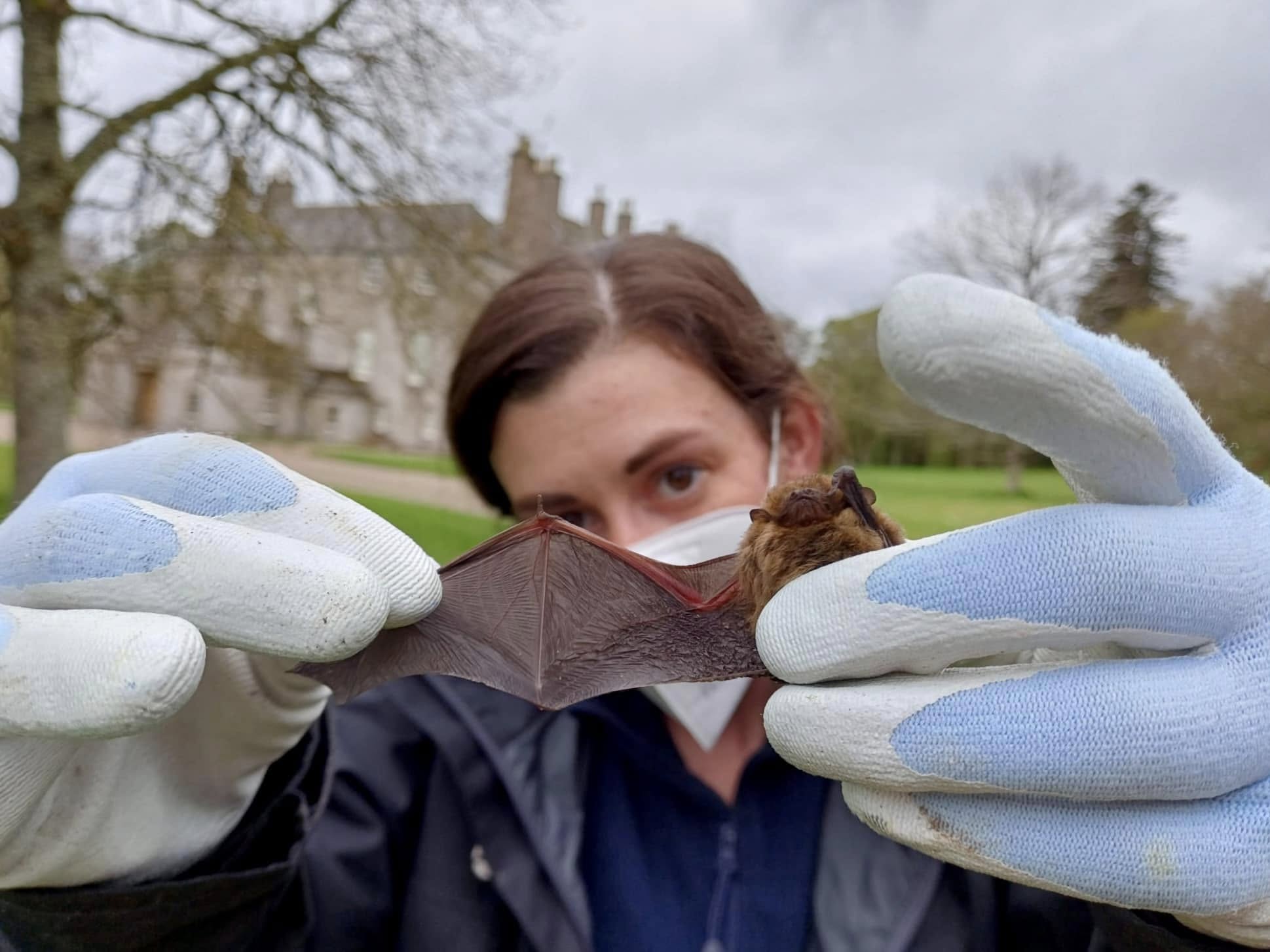
Among her many responsibilities, Vivian has developed a special interest in bats. Recently licensed to conduct surveys, she often finds herself exploring the attics and towers of historic buildings late into the night.
“Our region is very built-heritage heavy,” she explains. “All those old buildings make great habitats for bats.” These surveys are essential: before any roof or restoration work begins, the Ranger team must ensure the protected species are safe. “It’s a bit antisocial in terms of working hours,” she laughs, “but they’re such important animals—and they’re very cute.”
The Right to Roam
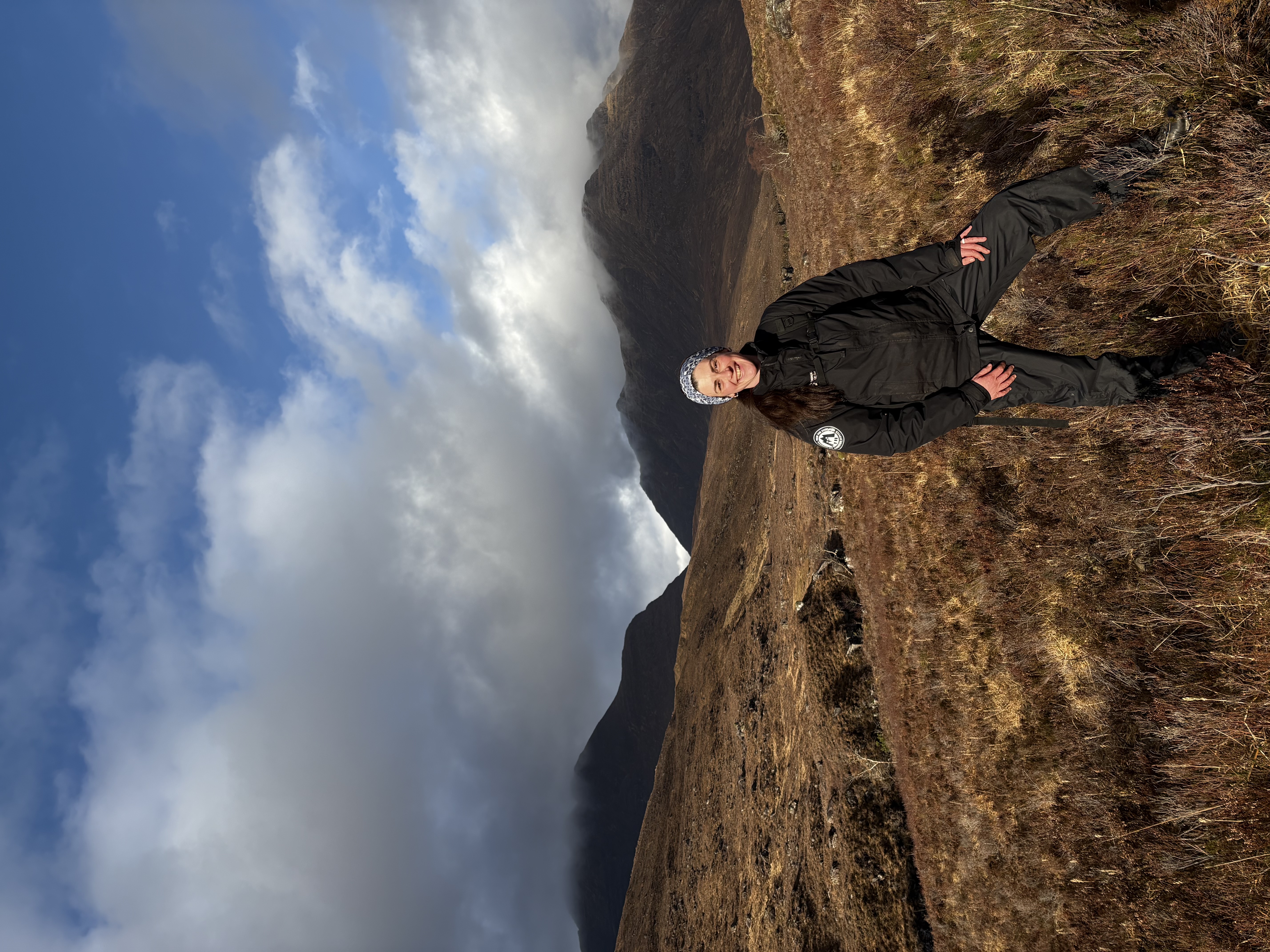
Vivian says one of the biggest surprises when she first moved to Scotland was the concept of the right to roam, which grants responsible public access to most land and inland water.
“It’s quite different from the U.S.,” she says. “That freedom to explore—balanced with respect for the environment—feels deeply linked to Scottish culture. It’s that sense of shared land, curiosity, and connection.”
That connection to the land also brings moments of nostalgia. Having grown up in Pennsylvania, Vivian finds that Scotland’s autumn landscapes—with their golden leaves and crisp air—remind her of home. “There’s something universal about the seasons,” she reflects. “They connect you no matter where you are.”
Lessons from Scotland
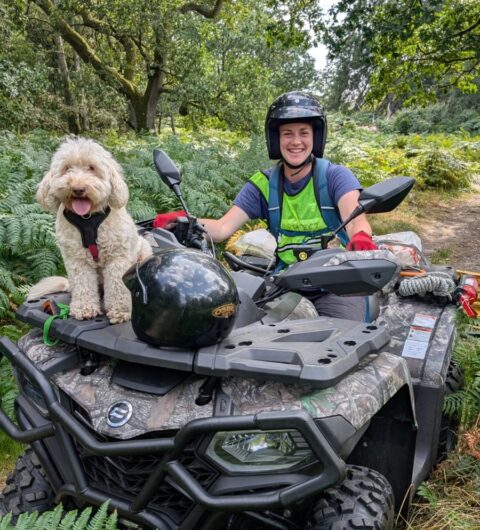
If there’s one quality Americans could learn from Scots, Vivian says, it’s resilience. “You see it again and again in Scottish history—people standing up for their culture, preserving it through so many challenges,” she says. “It’s something I really admire.”
That same perseverance fuels her own conservation work. “We’re in a major biodiversity crisis,” she notes. “All I can hope to do is help limit the impact humans have already made—and be a voice for the habitats and species that can’t speak for themselves.”
It’s an ambitious goal, but one grounded in purpose. “In the end,” she adds, “we wouldn’t have culture or history without the natural world.”